How Asians Actually Use Social Media: An 8-Market Field Guide for Brands Entering Asia (2026)
Ask “what’s the biggest social platform in Thailand?” and a global ranking answers instantly. But if you’re a Western brand actually trying to sell into Asia, the number is only the doorway. What you really need to know is what happens behind it:
- Where do people first hear about a product, where do they check reviews, and where do they actually buy?
- Do platforms split by generation, ethnicity, or language?
- Are ads tolerated — or resented?
- And where are the landmines a foreign brand steps on without noticing?
Those answers don’t live in a usage chart. They live in the lived experience of people on the ground. This article is built from first-hand notes contributed by our own staff living in eight Asian markets — Nepal, Cambodia, Taiwan, Malaysia, Indonesia, Thailand, India, and China. Contributors are quoted under nicknames at their request. Where useful, we’ve added context, but the value is the local voice.
The short version: there is no single “right answer” for social media in Asia. Some markets run on WhatsApp, some on LINE, some on Telegram, and China runs on a completely separate ecosystem. Before you plan a single post, you have to know each market’s main platform and how it’s used.
This guide covers, per country: contact discovery purchase social commerce the biggest taboo — plus what each one means for how you’d actually roll out.
TOC
The one-glance table — what’s “mainstream” in 8 Asian markets
| Country | Contact | Discovery / downtime | Where buying starts | Social commerce | Biggest landmine |
|---|---|---|---|---|---|
| Nepal | Facebook (Messenger), Viber | Facebook, TikTok | Facebook, Instagram | Local marketplace “Daraz” | Politics, religion, caste |
| Cambodia | Telegram, Facebook | Facebook, Instagram | Price negotiation over “buy now” | Remarks about neighboring countries | |
| Taiwan | LINE (dominant) | YouTube, TikTok | TikTok, Instagram Reels | Shopee & momo (live shopping) | Treating Taiwan as “part of China” |
| Malaysia | WhatsApp (dominant) | YouTube, TikTok | TikTok, Instagram | TikTok Shop | Race, religion, royalty; pork & alcohol |
| Indonesia | TikTok | TikTok (Tokopedia-linked) | TikTok Shop ≈ 80% | Religion, Pancasila, LGBT | |
| Thailand | LINE | Instagram, Facebook | Shopee, Lazada | Instagram × Shopee | Royalty, Buddhism; photos of alcohol |
| India | Amazon, Meesho, etc. | Hinduism & cows; flag, maps | |||
| China | Douyin | Alibaba, Pinduoduo | Douyin live shopping | Government policy; superlative ad claims |
Same “mainstream platform,” completely different job depending on whether it’s for contact, discovery, or purchase. Below are the cross-market patterns, then each country in detail.
| Entering a specific market? Tell us your target country and we’ll send you a one-page “how they really use social” brief — free. (A sample of the market research we do.) Request your brief → |
|---|
5 cross-market patterns Western brands miss
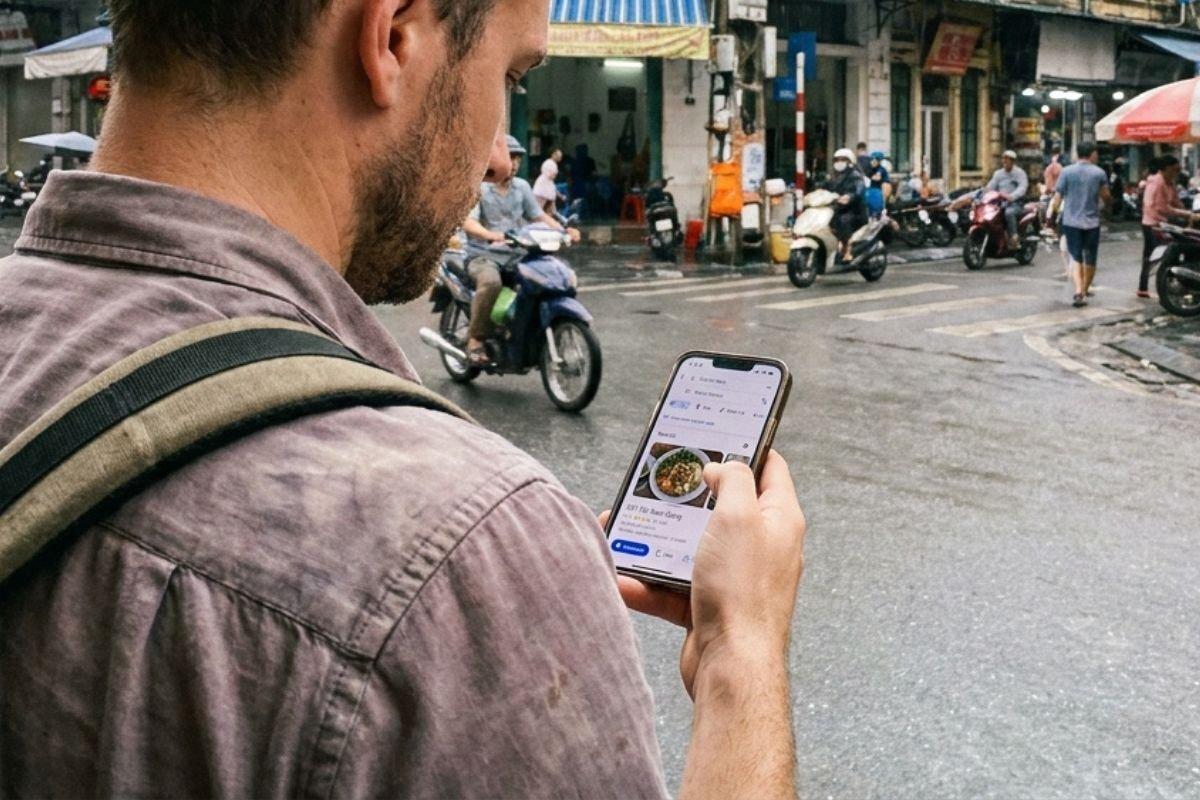
Before diving into country-by-country notes, five patterns kept surfacing across our staff’s contributions — the ones Western brands most consistently underestimate. If you only remember five things from this guide, make it these.
1. Contact apps split into camps — and your support flow must follow
What people use to reach friends, family, and work splits cleanly by country: a LINE camp (Taiwan, Thailand), a WhatsApp camp (Malaysia, Indonesia, India), a Facebook/Messenger + Viber camp (Nepal), a Telegram camp (Cambodia), and WeChat (China).
LINE is a way of life in Taiwan and Thailand — yet in Indonesia it has almost no users. If the contact channel is different, your customer support, booking, and inquiry funnel have to be rebuilt market by market.
2. In several markets, email gets ignored
“Email often goes unanswered. Unless it’s a contract, you’ll get a faster reply over social,” writes Kei in Thailand. In Cambodia, “people contact you over Telegram or Facebook far more than through a website” (Tetsu).
In Nepal, “even B2B sends the formal document by email, but the real conversation happens in chat” (Shekhar). A contact form as your only inquiry channel is lost revenue in these markets.
3. “Discover on social” is not “buy on social”
In some markets you buy right inside the app (TikTok Shop is ~80% of purchases in Indonesia; Douyin live shopping in China).
In others, the last step lives elsewhere: in Cambodia people negotiate price and check stock before buying; in India people discover on Instagram but buy on Amazon or Meesho (“Amazon’s cheaper than the Instagram shop, so I buy on Amazon” — Rita); in Nepal there’s no Amazon, and the local marketplace Daraz dominates.
Know which platform sits between discovery and purchase in each country.
4. Ads: the “annoying vs. effective” line is consistent
The near-universal “most annoying” is YouTube (interrupting, unskippable pre-roll). What’s accepted is Instagram and TikTok — and the common thread is that the ad works as entertainment in its own right. “Slip a short ad in subtly. Douyin’s videos are short, so the ads are woven in cleverly,” notes Piri in China.
5. Landmines cluster on politics, religion, monarchy, and national identity
The pattern is clear: monarchy (Thailand, Malaysia), religion (Hinduism & cows in India; religion & Pancasila in Indonesia; Buddhism in Thailand), national identity (treating Taiwan as part of China; India’s flag and maps), and government policy (China).
The flip side is just as consistent: goodwill comes from using a little of the local language and genuinely enjoying the local food.
Country reports: 8 Asian markets, and how each is really used
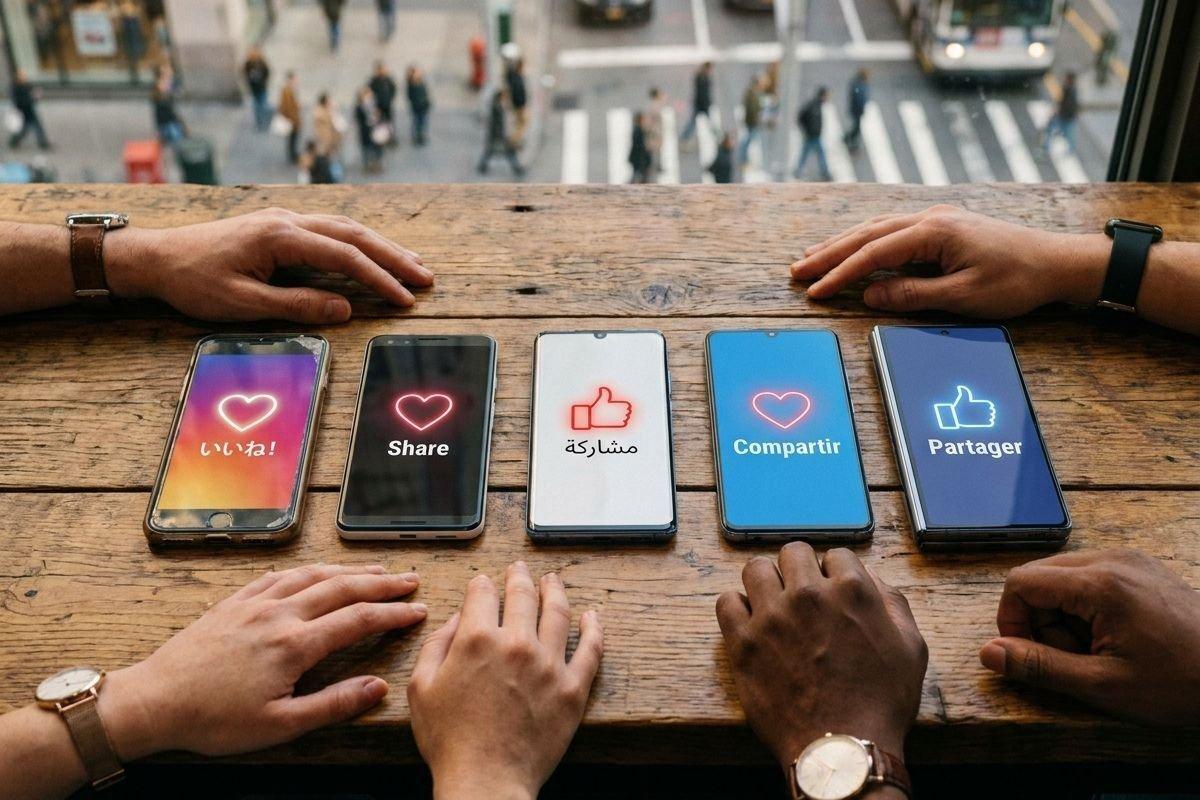
Here’s where the usage charts stop being useful. Each of the eight reports below comes from a staff member who’s lived and worked in that market for years — quoted under a nickname, in their own words. Read the one you’re entering first; skim the rest to see how differently “the same platform” gets used across borders.
🇳🇵 Nepal — Facebook is a “community noticeboard” (Shekhar, 12 years in-country)
- Bottom line: Facebook is the star of every scene. Practical info beats polished brand posts.
Contact runs on Facebook Messenger (the easiest to use) and Viber. Young people post their own dance clips to TikTok. Discovery and comparison happen on Facebook, Instagram, and TikTok — but there’s no Amazon and in-app buying is undeveloped, so shopping happens on the local marketplace Daraz.
Facebook works less like “social media” and more like a community noticeboard — buying and selling, rentals, jobs, study-abroad, even government notices. Text-heavy announcement images still work, and adding Nepali text builds trust.
| Voice from our staff: “When unregistered platforms were briefly blocked in September 2025, it became obvious that social media here isn’t entertainment — it’s the infrastructure for contact, commerce, and information.” |
|---|
What this means for your rollout: a beautiful brand image alone reads as “missing information.” Put the practical details (price, location, contact) inside the image, add Nepali, and plan around Facebook Groups — which is a localization and copy job, not a design one.
🇰🇭 Cambodia — contact on Telegram, buying by negotiation (Tetsu, 10 years in-country)
- Bottom line: contact and inquiries happen on Telegram and Facebook; buying assumes price negotiation.
Downtime and news are Facebook + Instagram. For contact, work, and interest communities, Telegram is #1, Facebook #2. People inquire over Telegram/Facebook far more than through a website.
First discovery is Facebook (the Google-search habit is weak; some now check with ChatGPT or Gemini). Purchases assume negotiation — people message the shop before deciding rather than tapping “buy.”
| Voice from our staff: “Telegram has a negative image in Japan, but here it’s just easy to use.” |
|---|
What this means for your rollout: build your inquiry and service flow around Telegram/Facebook, and price with room to negotiate. That’s a local operations and interpretation need, not something a Western checkout funnel covers.
🇹🇼 Taiwan — LINE is everything; Traditional characters decide your welcome (M, 8 years in-country)
- Bottom line: contact is LINE, full stop. Traditional Chinese characters are non-negotiable.
Contact is overwhelmingly LINE — bosses and clients included. Downtime is YouTube/TikTok; real-time news is shifting to Threads among younger users; fandom lives on Instagram + Threads; students use Dcard; tech/stocks/sports debate happens on the male-leaning PTT board.
Beauty, food, and gadgets are discovered on TikTok / Instagram Reels; comparison goes to YouTube hands-on reviews, then Google articles.
Shopee and momo are investing hard in live commerce. Most-hated ad: unskippable YouTube pre-roll. The biggest landmine: any wording that treats Taiwan as “part of China” — guaranteed backlash.
| Voice from our staff: “Genuine excitement about Taiwanese food (night markets, braised pork rice, bubble tea) lands well. And posting in Traditional — not Simplified — characters raises goodwill dramatically.” |
|---|
What this means for your rollout: Traditional characters are mandatory, and simplified characters read as “Chinese, not Taiwanese” — this is a transcreation decision, not a font swap. Contact, booking, and support should assume a LINE Official Account.
🇲🇾 Malaysia — WhatsApp rules; split the pitch by ethnicity (Shin, 2 years in-country)
- Bottom line: contact is WhatsApp, dominant. The key is splitting creative by ethnicity × language.
Work and personal contact are dominant on WhatsApp. Downtime is YouTube (TikTok and Netflix for the young); news is Facebook + TikTok. Discovery is TikTok/Instagram, comparison is Shopee/Lazada star ratings, buying is TikTok Shop. Malaysia is a multi-ethnic country — Malay, Chinese, and Indian communities, with Malay/English/Chinese/Tamil coexisting.
The persuasive angle differs entirely by language, while communities move between each other’s cultures, so a delicate balance is required. Race, religion, and royalty are strictly off-limits; as a Muslim-majority country, pork and alcohol are dangerous too.
What this means for your rollout: don’t treat “Malaysia” as one audience — split creative by ethnicity × language, anchor on WhatsApp Business, and bake halal and religious sensitivity in from the creative stage. This is research + multilingual production working together.
🇮🇩 Indonesia — TikTok Shop is ~80% of purchases (Kotaro, 15 years in-country)
- Bottom line: TikTok owns both discovery and purchase. LINE is barely used.
Downtime, news, and hobbies all center on TikTok (TikTok + Facebook for older users). Contact is overwhelmingly WhatsApp; LINE has almost no users. Long administrative messages go to Gmail. Discovery, comparison, and posting all happen on TikTok (with Tokopedia integration for reviews).
In-app buying is ~80% TikTok Shop, ~20% Facebook — often around payday and flash sales (“Gajian Sale”). Note a generational shift: from 28 March 2026, a new regulation (informally “PP TUNAS”) phases in restrictions on under-16 account ownership and use.
Most-hated ads are YouTube/Instagram; what works is TikTok/Facebook. Avoid anything against Pancasila (the five founding principles), religion, overt sexuality, or homosexuality. Japanese anime characters raise goodwill.
What this means for your rollout: TikTok Shop + a sale narrative is the purchase battleground; watch the youth-regulation rollout; build religious and moral norms into creative review. That’s local marketing execution with a compliance layer.
🇹🇭 Thailand — LINE, and an “extreme, funny” ad culture (Kei, 8 years in-country)
- Bottom line: contact is LINE; buying leads through e-commerce; ads win on entertainment, not channel.
Downtime is Instagram (also TikTok/YouTube). News is Facebook + LINE (newspapers barely read; many homes leave the TV on).
Contact is LINE, #1. Discovery and comparison lean on shopping sites (Lazada, Shopee) — people hit e-commerce before socialising; Instagram links into Shopee for the purchase path. Whether an ad works depends on content, not medium.
“TV, OOH, and social video run material that looks tasteless or garish to a Japanese eye — but people here feel closer to funny than to tasteful.” The self-deprecating, absurd KFC Thailand ads are cited locally as the gold standard.
- Off-limits: parody of the monarchy or Buddhism (strictly), and posting photos of alcohol on social media is a legal violation. Disparaging Thai food is a no.
| Voice from our staff: “There’s strong admiration for Japan, and even exaggerated pitches are welcomed. Japanese-style restraint doesn’t land — going to the extreme does.” |
|---|
What this means for your rollout: buying leads through e-commerce; a LINE Official Account is the contact backbone; and creative should be brave and locally supervised rather than “a pretty Japanese-style ad.” Treat monarchy, religion, and alcohol at the strictness of law.
🇮🇳 India — discover on Instagram, buy on Amazon (Rita, 6 years in-country)
- Bottom line: discovery is Instagram; purchase is the big marketplaces; the region × language split is huge.
Downtime, discovery, and fandom are Instagram (Snapchat for teens). News is effectively YouTube. Contact is WhatsApp. Idea-gathering runs on Pinterest. Discovery is Instagram (“I keep seeing this on Insta lately” is a phrase you hear constantly).
In-app buying hasn’t taken hold — people buy on Amazon or Meesho. Premium subscriptions and ad-blockers are barely used, so “ads are annoying but unavoidable” is the prevailing mood; what works is Instagram/Facebook.
- Off-limits: comic treatment of Hindu gods or religious leaders, and any cow/beef association; be careful with tricolor color schemes (the flag) and with maps of India (borders, states, ethnic tensions).
| Voice from our staff: “Language, script, religion, income, and education differ enormously by state and region. Market research has to be done region by region or you won’t read it accurately. Ad language matters too — English and Hindi alone won’t reach the hundreds of millions who need their own language.” |
|---|
What this means for your rollout: don’t treat “India” as one country. Split research and creative by region × language, and assume the purchase path runs through Amazon/Meesho. This is where region-level research pays for itself.
🇨🇳 China — the WeChat / Douyin / RED ecosystem stands apart (Piri, 13 years in-country)
- Bottom line: foreign society is a non-starter. You need a completely separate strategy built on domestic platforms.
My downtime is Douyin (China’s TikTok), then RED (Xiaohongshu) and WeChat videos. News is Baidu and Tencent. Contact, work, and file-sharing all complete inside WeChat. Discovery runs through Alibaba (Tmall, Taobao, Xianyu) and Pinduoduo; comparison is platform-vs-platform (“Tmall × JD,” “Taobao × Pinduoduo”).
Douyin live shopping is established for daily goods — though some refuse to buy on live video because scams are common. Many people dislike ads outright, so social media keeps ad time short; AI analyzes behavior and serves ads automatically.
Beyond politics and religion against government policy, note that advertising law restricts superlatives (“world’s best,” “the only,” etc.). YouTube, X, and Instagram are blocked; VPNs are a gray zone.
| Voice from our staff: “China’s platforms are fundamentally domestic. Many people won’t fuss over privacy if it means convenience. I looked at the other countries’ results — China really is its own world (wry smile).” |
|---|
What this means for your rollout: build on WeChat, Douyin, RED, and Alibaba, fully decoupled from any foreign-social strategy, and write a copy that respects advertising law (no superlatives). Without local hands, this market is genuinely hard to enter.
From research to rollout: how to actually enter these markets

Notice how many of the sections above end at the same place — “know the market first.” The gap between “discover on social” and “run a campaign” is really four jobs stacked on top of each other:
1. Research — which platform is the main one, and how is it used (contact, discovery, purchase, taboo), region by region.
2. Translation & transcreation — Traditional characters for Taiwan, ethnicity × language creative for Malaysia and India, superlative-free copy for China.
3. On-the-ground interpretation & operations — Telegram-based negotiation in Cambodia, LINE support in Taiwan/Thailand, WhatsApp Business across the WhatsApp camp.
4. Local social marketing — TikTok Shop and sale calendars in Indonesia, the “extreme and funny” creative Thailand rewards, Douyin/RED in China.
A local agency covers one country. A Western agency has no feet on the ground. What’s rare is a partner with native staff across Asia who can carry you through all four steps — which is exactly what produced the notes above.
Planning an Asia rollout? Talk to us.
Once you know which platform is mainstream where, the next step is words and creativity that actually land — and the operations behind them.
AtGlobal is a multilingual team with staff living across Asia. We support the whole journey end-to-end — research → translation & transcreation → on-site interpretation → local social marketing — or plug into just the piece you need.
Working from the first-hand knowledge of our in-country staff, we take you from market research through transcreation to backlash-risk supervision.
FAQ — social media marketing across Asia
The questions we get asked most often by brands preparing their first Asia campaign — answered short.
- Q1. How much does social media marketing in Asia cost?
-
It varies widely by tactic. Paid social can start small; local influencer (KOL) work runs on a cost-per-follower basis; agency management and tooling run monthly. The lower-risk path is to narrow your objective and target country, validate small, then scale.
- Q2. Where should we start?
-
With one thing: understand the main platform and how it’s used in your target country. Is contact LINE, WhatsApp, or Telegram? Is purchase in-app commerce or a big marketplace? Then move objective (awareness vs. acquisition) → platform choice → local-language content → paid → measurement. The platform that’s popular back home is often not the one that matters locally.
- Q3. How do we measure results?
-
Work backward from the objective to set KPIs — impressions/reach for awareness, engagement rate for interest, click-throughs and conversions for sales. Because the leading platform differs by country, read your metrics per country and per channel, not in aggregate.
- Q4. How do we find and work with local influencers (KOLs)?
-
Look beyond follower count to engagement rate, topical fit, track record, and audience quality, and put deliverables, platforms, fees, and terms in writing. Note that the leading platform differs by market — for example, RED (Xiaohongshu) in China.
- Q5. In-house or an agency?
-
The deciding factor is how far your team can handle the local language, culture, and time zones. If nuance, taboos, and trend-speed are hard to cover internally, a partner strong in-market lowers your backlash risk. A realistic middle path is to outsource a few countries first and build know-how internally.
- Q6. Is machine translation enough? How should we localize?
-
Usually not enough. You need transcreation — rebuilding the message around cultural nuance, not just converting words. Traditional characters for Taiwan; multilingual creative for Malaysia and India; advertising-law and taboo checks throughout. Plan on supervision by people who understand the market.
- Q7. Does B2B vs. B2C change the approach?
-
Yes. B2C lives on discovery-and-purchase platforms — Instagram, TikTok, and each country’s social commerce. B2B leans on the channels used for contact and deals — LinkedIn in mature markets, WeChat in China, Telegram in Cambodia. In emerging markets, chat apps often out-reply email, so the deal funnel itself has to match the local contact culture.
Key takeaways | Social Media in Asia
- There is no universal “main platform” in Asia — markets split into LINE, WhatsApp, Telegram, and WeChat camps.
- Platforms that are second nature in one country (LINE) barely exist in the next (Indonesia).
- “Discover on social” and “buy on social” are different questions — the purchase path may be in-app commerce, a big marketplace, or price negotiation.
- In emerging markets, email is easily ignored; chat apps are the real inquiry and deal channel.
- Ads win on content, not medium — interruptive formats are hated; entertainment-grade ads are welcomed.
- Language and script precision move results — Traditional characters in Taiwan; multilingual creative in Malaysia and India.
- The biggest landmines are politics, religion, monarchy, and national identity — stepping on them can mean a viral backlash or a legal breach.
- Everywhere, using a little of the local language and genuinely enjoying the local food is the most consistent way to earn goodwill.