

Cross-Border E-Commerce in Asia: 7 Trust Signals to Fix
Most cross-border e-commerce advice stops at translation and payment rails. That is not where the sale is lost. It is lost in the two minutes before checkout, while a shopper decides whether your store is real, whether the product will arrive as pictured, and whether anyone will answer if it does not.
In July 2026, we asked five AtGlobal colleagues living in China, Taiwan, South Korea, Thailand and Vietnam the same eleven questions about how people in their market decide who to trust online. The answers did not converge. In one market, a 4.2-star seller is more credible than a 4.8-star seller. In another, shoppers route around written reviews entirely and ask previous buyers directly. In a third, a shopper told us they order expecting most of what arrives to disappoint — and that dissatisfied buyers there mostly do not complain.
If you run one localized storefront and ship it to every market, you are failing several of these tests at once without ever seeing the failure in your analytics. Here is what the five markets check, and the seven conditions a cross-border site has to clear before any of your marketing matters.
- Trust is assembled differently in each Asian market, and the mechanism a shopper uses to verify you is more market-specific than your product, your pricing or your copy
- The markets that distrust sellers most have built the most elaborate verification habits — cash on delivery, unboxing video, marketplace arbitration, official-store badges
- Star ratings are losing signaling power in Taiwan and China; the content of low ratings and direct buyer-to-buyer questions are replacing them
- Seller response speed was the only trust signal that ranked highly in all five markets
TOC
Where this information comes from
This article is based on a written eleven-question survey we ran in July 2026 with five AtGlobal colleagues who live in China, Taiwan, South Korea, Thailand and Vietnam. Respondents answered from their own purchasing experience and from conversations with colleagues, friends and family in-market. Three separate respondents contributed for China, spanning their thirties, forties and sixties.
This is qualitative in-market observation, not a statistically representative panel. We are publishing it because the specific things people described checking are rarely captured in market-sizing reports, and turned out to be more actionable than aggregate numbers. Platform names and features reflect the situation at the time of the survey. The full country-by-country write-up is published in Japanese on our note account.
How five Asian markets build trust, side by side
The fastest way to see the difference is to put the five markets on a single axis: does shopping start from trust, or from suspicion? Vietnam sits at one end, South Korea at the other. And the more suspicion a market carries, the more elaborate its compensating machinery becomes.
| Market | Where people buy | Payment default | How reviews function | Weight of official-store badge | Unboxing on video |
|---|---|---|---|---|---|
| Vietnam | Shopee and TikTok Shop dominate; Lazada third | Cash on delivery and prepayment coexist, chosen per platform | Star count plus the share of low ratings across competing sellers | Very heavy | A meaningful minority |
| China | Taobao, Tmall, JD.com | Prepayment | Bypassed — buyers question previous buyers directly | All three respondents said it affects the decision | Almost never |
| Thailand | Shopee, Lazada | Prepayment, plus installments (SPayLater) | Read closely, weighed against price | Reassuring but not required | High-value items only |
| Taiwan | Shopee TW, momo, PChome | Prepayment and cash on delivery coexist | The content of one- and two-star reviews, plus photo and video | Depends on the category | Kept as evidence on high-value items |
| South Korea | Coupang, NAVER Plus Store | Prepayment (cash on delivery in C2C) | Heavily relied on; reviewers are cultivated over time | Sought on high-value items | Not an established habit |
Three patterns are worth pulling out of that table.
Vietnam and Thailand doubt the goods themselves. A Vietnamese colleague, asked which categories carry counterfeit risk, answered in three words: “All of them, I think.” Their concern extended past the product to the freight: even a genuinely Japanese product, they explained, invites the question of whether a domestic logistics contractor left it out in the rain. A Thai colleague put the baseline bluntly.
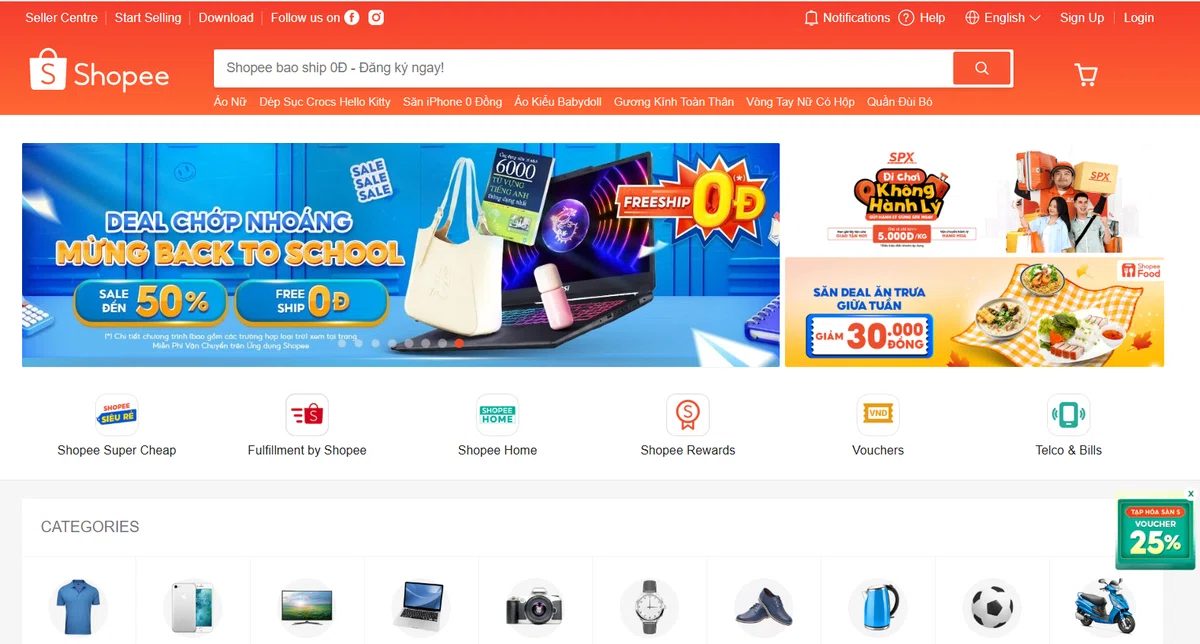
> “From my own experience, I use these services knowing that 70 to 80 percent of what arrives online will be disappointing or defective. Plenty of shops handle returns badly. If the item is cheap, filing a complaint is more trouble than it’s worth, so a lot of people just quietly buy the same thing again from a different shop.”
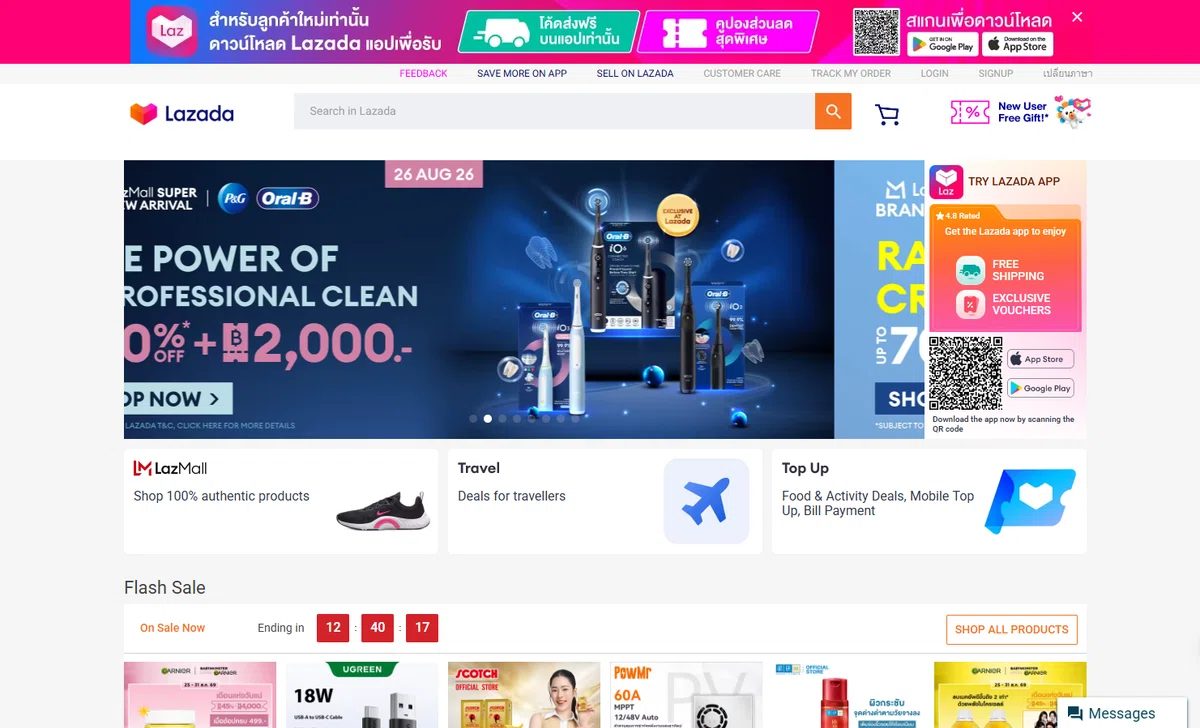
That last sentence should alarm any seller. In the low-price tier, dissatisfied customers do not complain. They leave silently, and you never receive the signal.
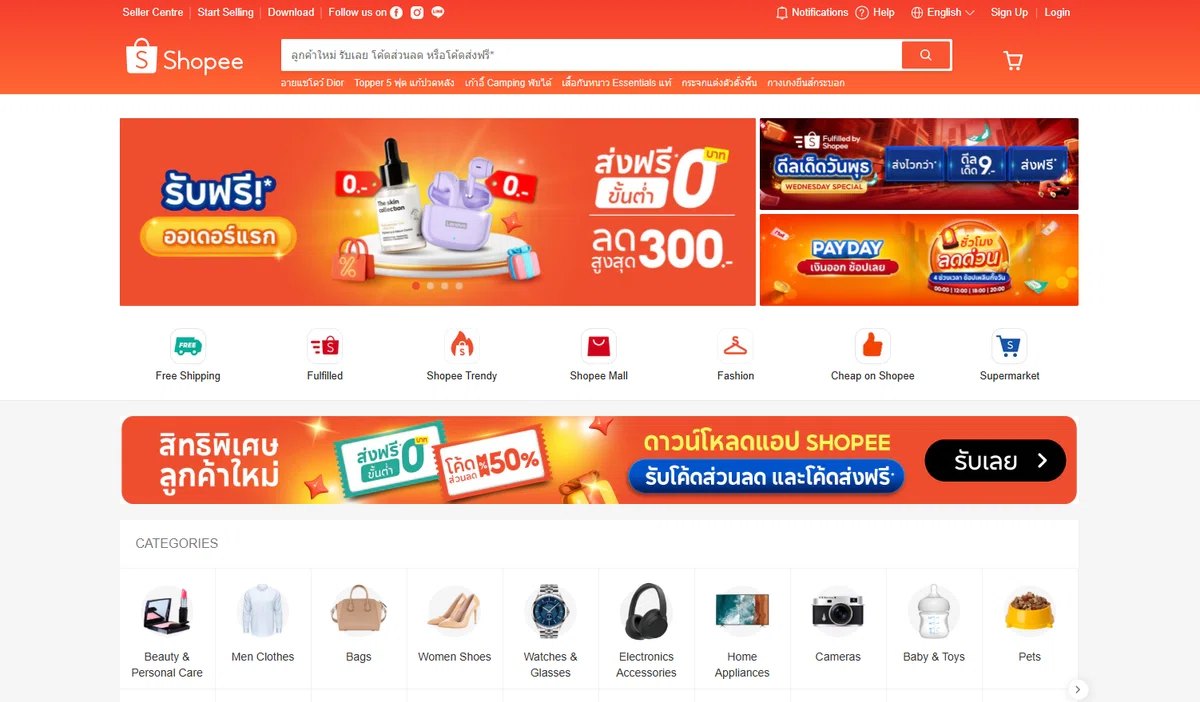
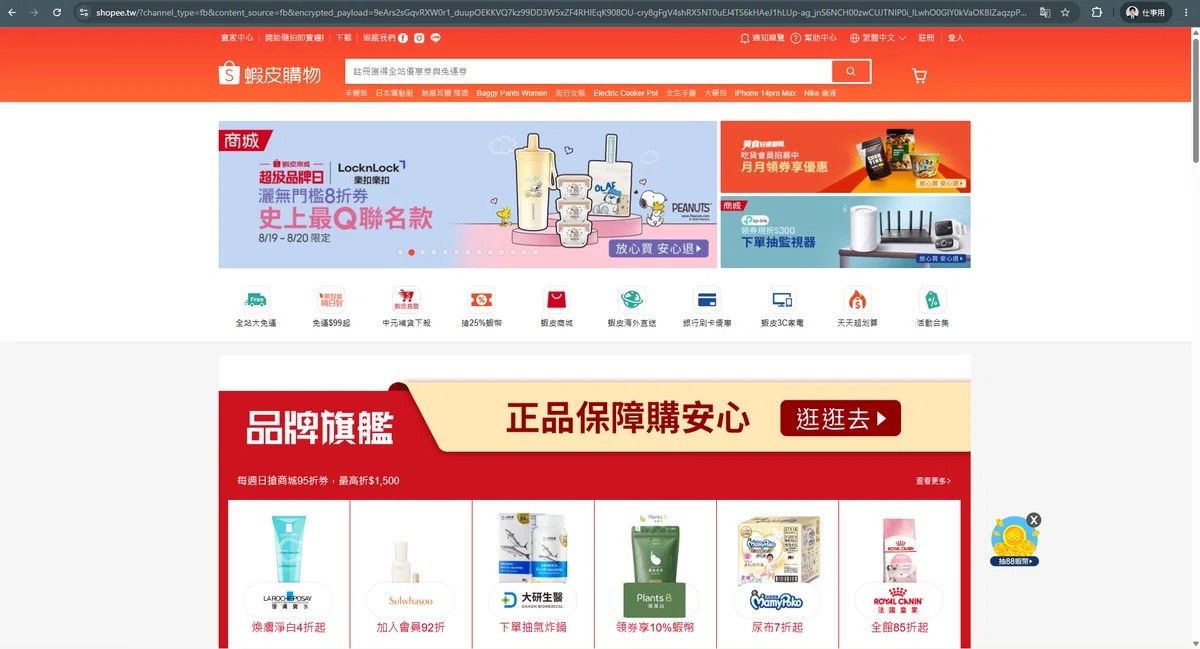
China and Taiwan doubt the review system. In China, awareness of *shuadan* — fabricated orders used to inflate ratings — has pushed shoppers toward a different verification route entirely.
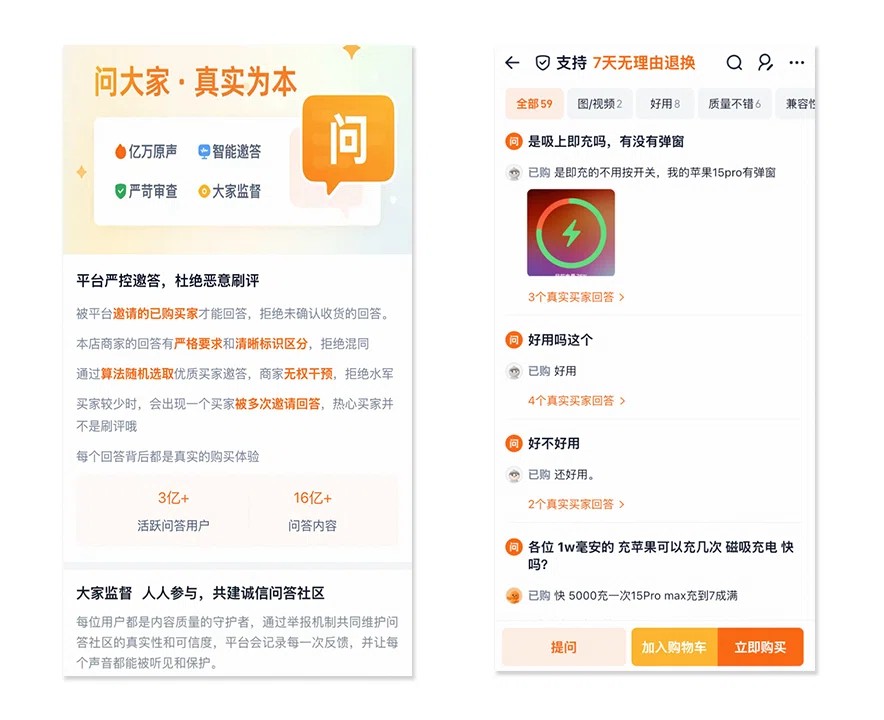
> “I use ‘Ask Everyone’ a lot. I know that fake orders and rating manipulation are common, and I don’t have much confidence in my own ability to tell what’s real.”
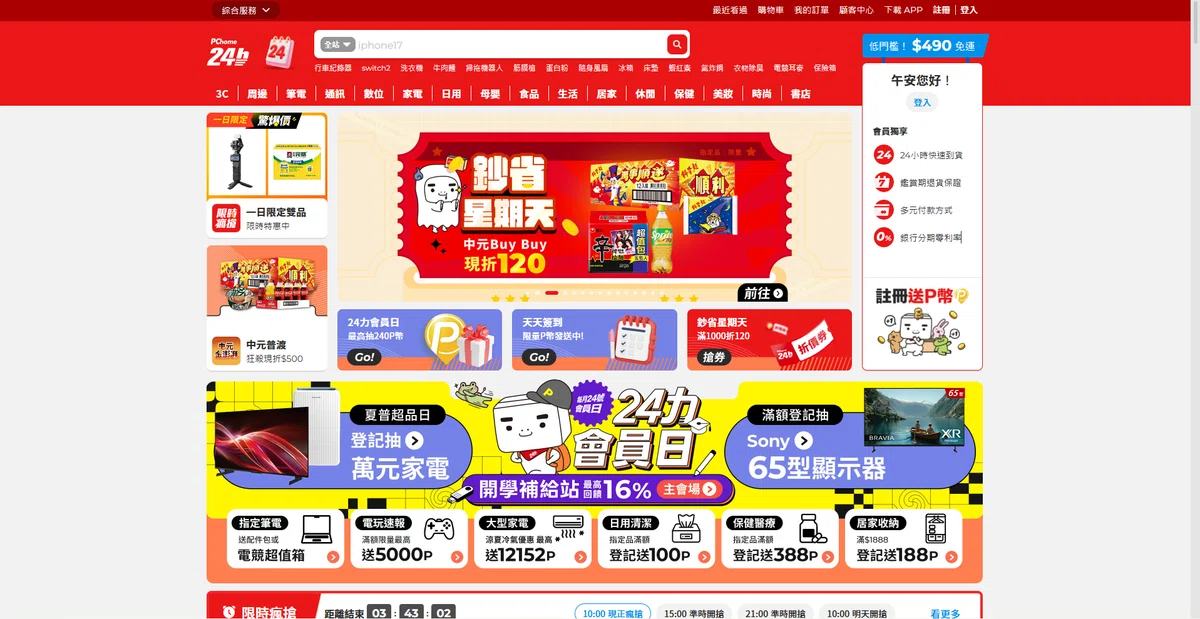
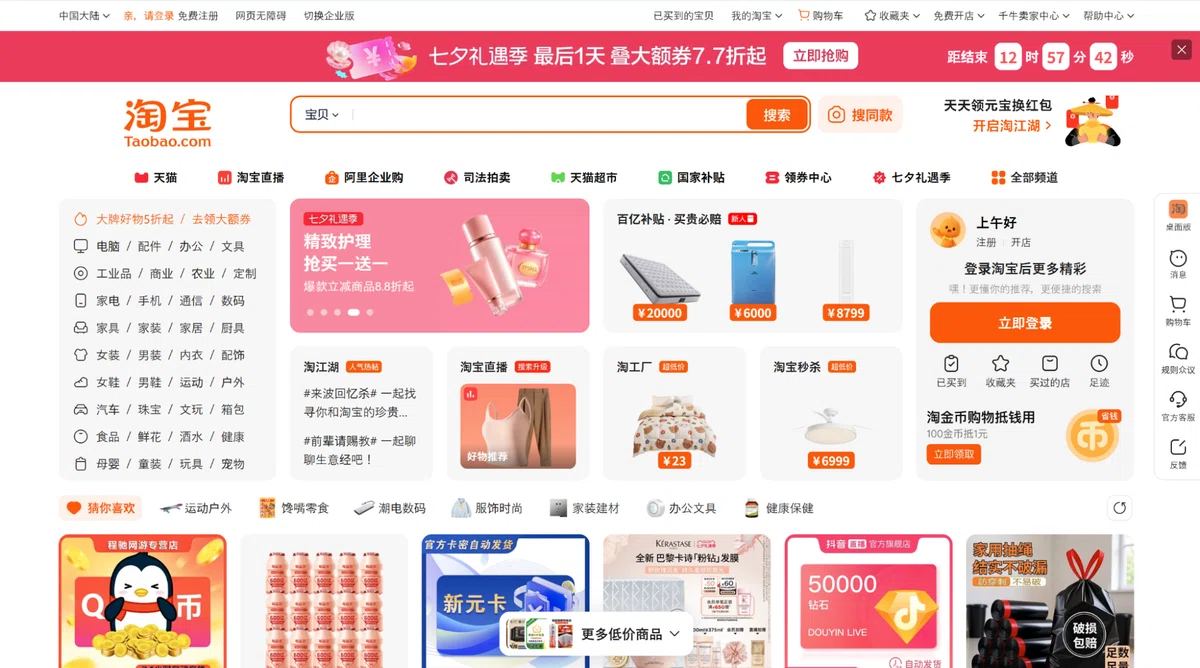
Taobao’s “Ask Everyone” feature lets a prospective buyer put a question to people who actually bought the item. When written reviews stop being credible, the platform supplies a way around reviews rather than a way to fix them. Taiwan reached a similar place by a different road: rating inflation has run far enough that the scale has partly inverted.
> “Four-and-a-half to five stars has become so normal that it no longer differentiates anything. A friend of mine says a rating in the low fours actually reads as more honest.”
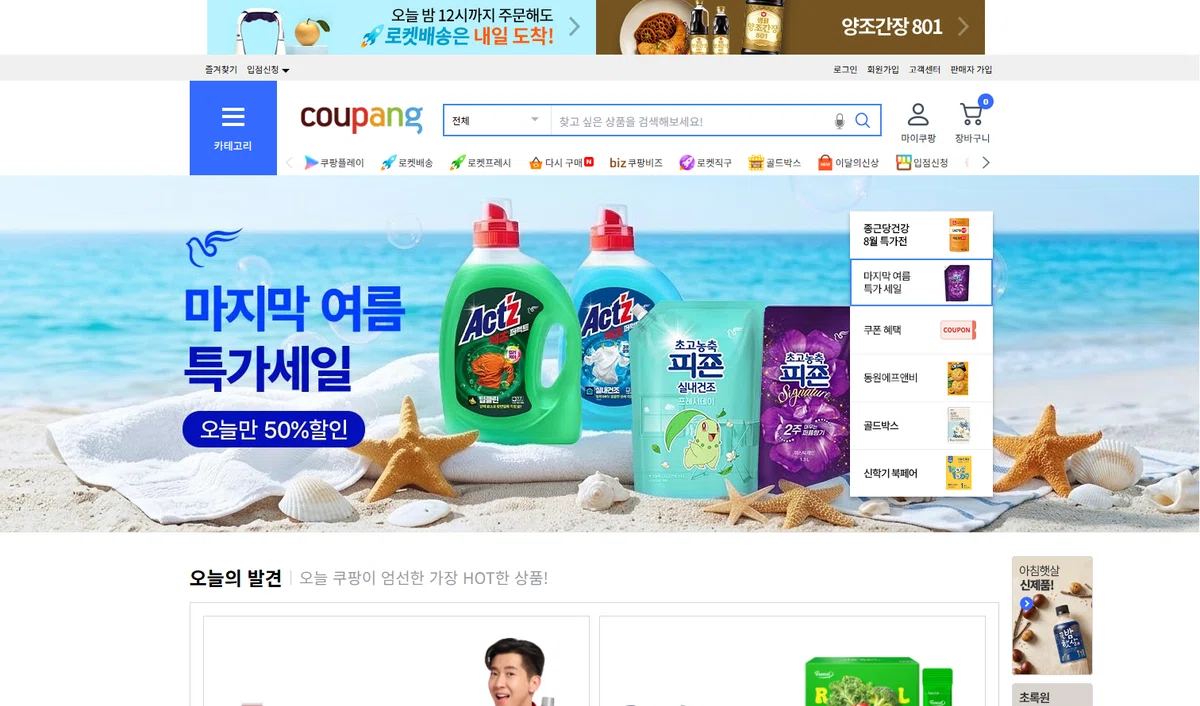
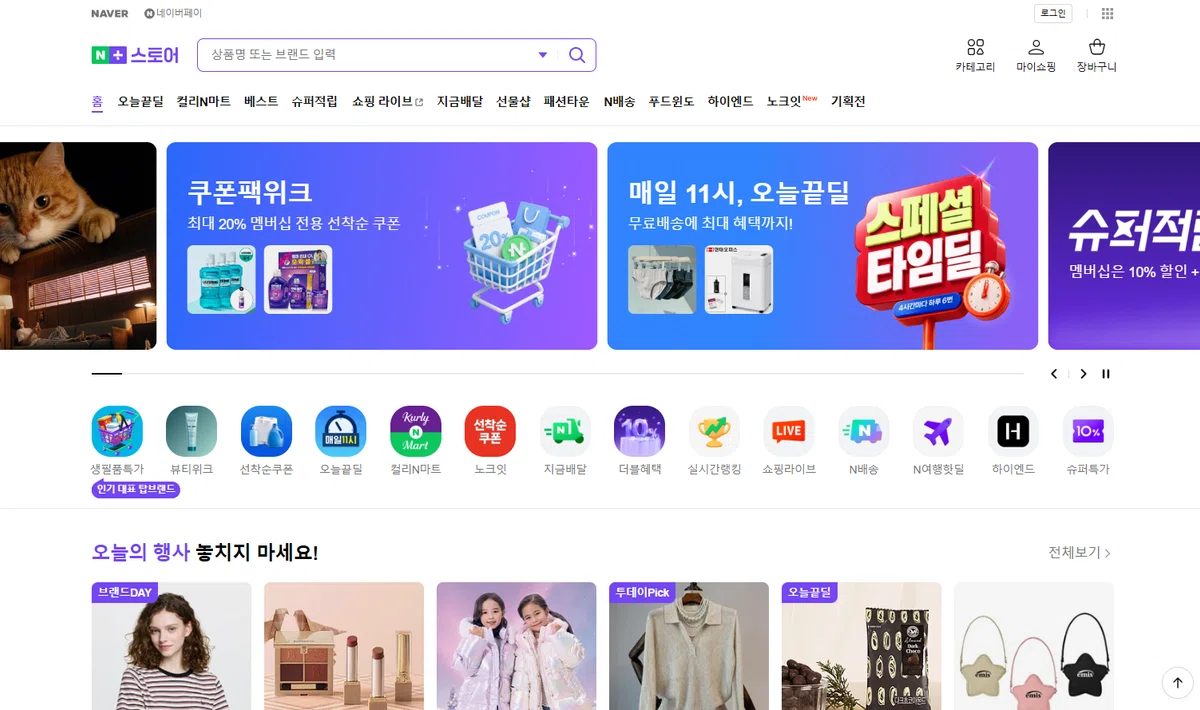
South Korea trusts reviews because the system grows them. Coupang accumulates a reviewer ranking and score from a shopper’s review activity, and active reviewers are more likely to be invited into its product-testing program. The result is long, detailed reviews with photos and video, which drive the next round of purchases — a loop, rather than a one-off transaction. That is a structurally different design from paying a hundred points for a review, and it produces structurally different reviews.
The seven conditions a cross-border site has to clear
These are not design preferences. Each one came out of something a respondent described checking, or described abandoning a purchase over.

1. Match payment to the local default, not your finance team’s preference
Card-only checkout writes off a substantial share of the addressable market in several of these countries before you have said anything about your product.
The sharpest example came from Taiwan, where “credit card only, no cash on delivery” and “doesn’t support LINE Pay or JKOPay” were both named as reasons to abandon a purchase. In Vietnam, cash on delivery remains entrenched while some heavy users prepay on marketplaces with strong refund handling, because prepayment carries a bigger discount — both behaviors are live in the same market, so supporting one is not enough. In Thailand, shoppers without credit cards buy through Shopee’s SPayLater installment facility, which our respondent described as spreading rapidly among younger buyers precisely because it clears a lower bar than a credit card. In China, a respondent flagged that sites requiring a foreign-issued credit card actively suppress intent.
2. Do not try to win on your own domain alone
In four of the five markets, the official-store badge issued by a marketplace does work your own site cannot replicate quickly.
Our Thai colleague reported hearing almost nothing about people buying from brands’ own websites. In Vietnam, China and Taiwan, the presence or absence of an official flagship-store certification materially shifts the purchase decision.
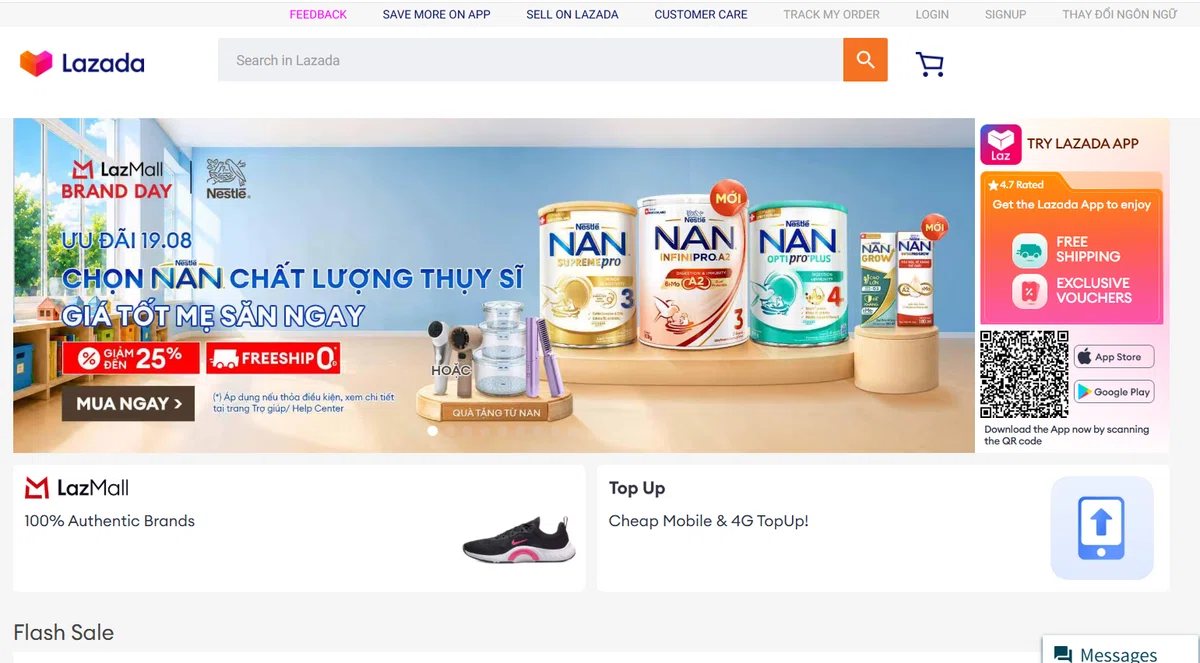
That badge is the marketplace vouching that the seller is genuine, and an unknown standalone domain takes years to manufacture the equivalent. The workable sequence is to open a certified flagship store on the dominant local marketplace first, and use your own site to hold the brand narrative, the specifications and the support content that the marketplace template cannot carry.
3. Design a system that produces reviews, and produce the right kind
Reviews do not accumulate on their own, and the format that counts differs by market.
Korea’s Coupang reviewer program and Taiwan’s Shopee Coins show two different engines for the same job. What they generate is not interchangeable. Taiwan weights photo and video reviews and treats text-only reviews as a fake-review indicator; Korea’s norm is long and detailed; China and Thailand run mainly on points and coupons. Exporting a “post a review, get points” campaign unchanged into Taiwan will produce a wall of thin text reviews — which is precisely the pattern local shoppers use to identify manipulation. Review acquisition belongs in the multilingual marketing plan for each market, not in a single global campaign template.
4. Keep your low ratings — they are doing work for you
Suppressing negative reviews is counterproductive in four of these five markets, because the negative reviews are what gets read.
Local instinct and international guidance converge here. The OECD’s good practice guide on online consumer ratings and reviews treats negative reviews and misleading moderation as distinct problems in their own right, alongside fake and incentivized reviews.
Taiwanese shoppers described deliberately reading the one- and two-star comments, on the reasoning that the honest assessment lives there. Korean shoppers share a working checklist for spotting fakes: an unusually high share of top ratings, repeated phrasing and a cluster of posts within a few days. Chinese shoppers watch for *shuadan*. Vietnamese shoppers compare the same product across competing sellers and treat an outlier in positive reviews as suspicious.
A rating profile with no criticism in it does not read as excellence in these markets. It reads as a profile that has been managed. Leave the low ratings visible and reply to them factually — that reply is read as evidence that a human being is behind the storefront.
5. Answer fast, in the local language
Response speed was the one trust signal that showed up strongly in all five markets — the only genuinely universal finding in the survey.
Taiwanese shoppers reward the “instant-reply shop” and abandon slow ones. Thai shoppers said a fast reply increases confidence in the seller. In China, shoppers in their thirties and forties message sellers before buying, sometimes to negotiate on higher-value items, and speed influences which shop they choose. In Korea’s second-hand marketplaces, buyers ask about stock and authenticity before purchase, and reply speed again converts into trust.
Set against that, a Taiwanese respondent’s experience of Japanese sites: the inquiry form is in Japanese only, and the reply is slow. A local-language contact channel staffed in local business hours outranks any visual redesign on the priority list.
6. Treat translation quality as a trust signal
In a market where counterfeits are a live concern, unnatural phrasing does not read as a minor quality issue — it reads as evidence of a fraudulent site.
The Taiwanese response named “the Traditional Chinese reads like machine translation” as a specific problem. Two separate judgments follow from that observation, and neither is about style. The first is that the company does not take this market seriously. The second, and more damaging, is that the site may not be legitimate at all. Fluent, register-appropriate copy functions as proof of authenticity, which is why marketing translation for a storefront should be scoped as a trust investment rather than a content cost.
It is also worth noting what the market rewards. Taiwanese respondents named UNIQLO’s and MUJI’s local sites approvingly, crediting them with local payment support including LINE Pay and JKOPay, domestic shipping and a local returns desk, and described Nitori’s Taiwan operation as smooth on delivery and returns. The verdict was that these are Japanese brands with properly executed local operations, which is a different compliment from being a Japanese brand.
7. Move shipping, returns and the promotional calendar onto local time
Taiwan produced a compact list of failures: delivery and return policies still written to Japanese domestic assumptions, sizing left in Japanese notation so the shopper has to convert it, and sale periods scheduled around the Japanese calendar rather than Lunar New Year.
The Thai testimony about quietly rebuying elsewhere belongs here too. The heavier your returns process, the more customers exit without telling you why. A returns flow that is expensive for the customer converts your churn into silence.
“Made in Japan” is decisive in one market and irrelevant in another
The single most instructive contrast in the survey was on country-of-origin trust, and it ran in opposite directions.
A Chinese respondent in her thirties said she basically trusts Japanese products because her impression is that Japan does not have counterfeits. The respondent in his sixties likewise reported high trust in Japanese companies and Japanese goods.
That impression has a measurable counterpart. METI‘s FY2024 E-Commerce Market Survey puts cross-border e-commerce purchases by Chinese consumers from Japanese operators at 2.64 trillion yen, up 8.5 percent year on year.
The Vietnamese response was the mirror image.
> “Being a Japanese company doesn’t mean people will buy from you. Vietnamese consumers doubt everything. Not just the product — the quality control in the logistics chain matters too. Even a Japanese company’s product will be marked down if it’s made in Vietnam or China, and if you say it’s imported from Japan, you invite the question of whether it’s counterfeit, or whether a Vietnamese logistics company left it out in the rain on the way.”

Same brand equity, opposite starting positions. In one market, the brand is credit you can spend. In the other, you build from the payment method and the freight explanation upward.

This is the clearest single reason that one global English storefront, distributed everywhere, underperforms: it silently assumes a uniform starting level of trust that does not exist.
Companies already operating in the region report the same friction from the inside. In JETRO’s FY2025 survey of Japanese companies operating overseas, which drew 5,109 responses across Asia and Oceania, companies in ASEAN named the difficulty of responding to regulations that differ by country and region among the obstacles to their digital initiatives — and ASEAN’s digital-technology adoption rate, at 52.1 percent, trailed Australia, South Korea and India.
The same test applies in the other direction, including in Japan
If you are entering Japan rather than exporting from it, run the identical diagnostic, because Japan’s answers are equally specific and equally invisible from the outside.
Japan has its own answers to the same eleven questions: its own payment methods that sit alongside cards, its own marketplaces whose presence reassures in a way an unknown domain cannot, and its own reading habits around reviews and return policies. What transfers directly from this survey is the last of the seven conditions above — a site whose Japanese reads as machine-translated invites the same authenticity doubt that machine-translated Traditional Chinese invited in Taipei.
The question is the same one in every direction: what does a person in this specific market verify before opening their wallet? Answering it takes in-market observation, which is the part that market research and desk research handle very differently.
Frequently asked questions
- Should we launch on a local marketplace or on our own site first?
-
Marketplace first, in almost every case covered here. The official-store certification a marketplace issues is a third-party guarantee of authenticity that a new standalone domain cannot generate quickly, and in Thailand our respondent reported hearing very little about people buying from brands’ own sites at all. Use your own site as the brand and specification layer that the marketplace template cannot carry, and expect it to convert mainly for buyers who already know you.
- How many payment methods do we actually need per market?
-
Enough to cover the dominant default plus the main alternative, because both are usually live at once. Vietnam runs cash on delivery and prepayment simultaneously; Taiwan runs prepayment alongside cash on delivery and local wallets such as LINE Pay and JKOPay; Thailand needs an installment path for shoppers without cards. Card-only is the one configuration that fails in every market in this survey.
- Are influencer campaigns effective in these markets?
-
They are category-dependent and losing ground in some. In Taiwan, unboxing and hands-on video carry more weight than written reviews in beauty and food, but one respondent said flatly that they distrust influencers precisely because they know it is paid, and go to anonymous local forums for appliance recommendations. Treat influencer content as one input among several rather than as a substitute for review volume.
- Should we remove negative reviews from our storefront?
-
No. In Taiwan, Korea, China and Vietnam, shoppers use the absence of criticism as a manipulation signal, and specifically read the low ratings for the honest assessment. A visible negative review with a factual, non-defensive reply from the seller does more for conversion than an unbroken run of five stars.
- How much does translation quality really affect conversion?
-
Enough that respondents named it unprompted as a reason not to buy. The mechanism is not aesthetic preference — awkward phrasing on a storefront in a counterfeit-aware market reads as evidence that the site may be fraudulent. Budget the storefront, the returns policy and the customer-service templates as trust-critical copy, and treat raw machine output on those surfaces as a conversion risk rather than a cost saving.
- Does live commerce matter outside China?
-
Yes, and Korea is now the clearest case. Our Korean respondent described live commerce as established across electronics, food, fashion and beauty, with the primary audience in their thirties to fifties, and noted that it is used to retain repeat customers rather than purely to sell. Notably, it is not confined to the large platforms — brand-owned malls such as Olive Young and MUSINSA run live streaming inside their own apps.
Key takeaways on cross-border e-commerce trust in Asia
- Suspicion levels differ sharply by market, and the more suspicious markets have built the more elaborate compensating mechanisms — cash on delivery, unboxing video, official-store badges, marketplace refund arbitration — which are not uniform within a market either
- Reviews are not a universal solution: China has moved trust to direct buyer-to-buyer questions, and Taiwan has moved it to the content of low ratings
- Korea is the outlier where reviews are cultivated by design, and that loop is what sustains purchasing
- Seller response speed was the only trust signal that ranked highly in all five markets
- Country-of-origin trust in Japanese brands ranges from decisive in China to close to irrelevant in Vietnam
- Card-only checkout, a Japanese-only inquiry form and machine-translated storefront copy each independently cost sales in markets covered here
- One global storefront distributed to every market assumes a uniform baseline of trust that does not exist anywhere in this survey
If you are planning a launch into any of these markets, tell us which markets and what you are selling, and we will tell you what we would check on the ground.